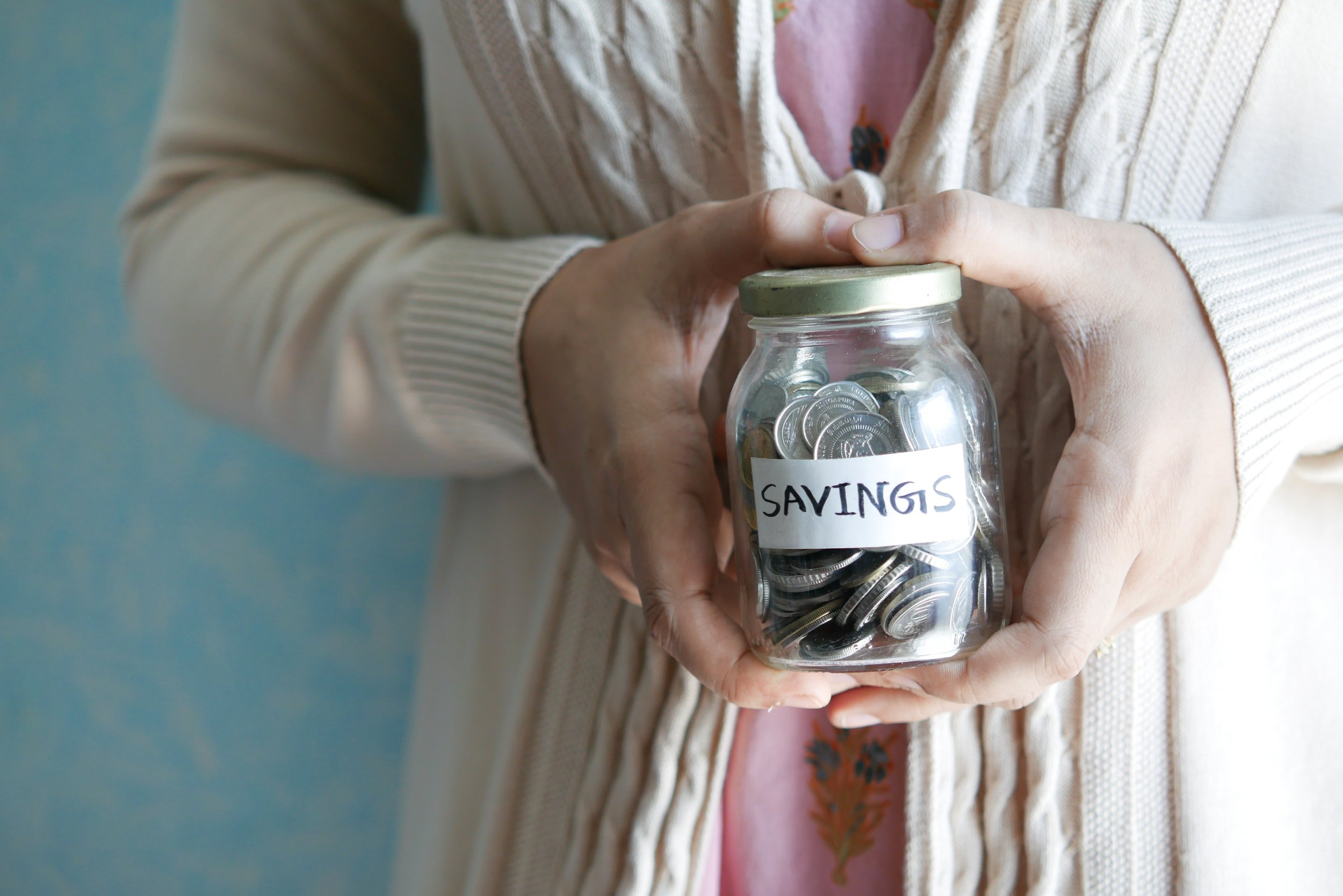
Interested in saving money? Where do you put your savings? Is a savings account the best place to save? No account is best for everyone, but the criteria for choosing the right one are consistent. Learn why Safety, Liquidity, and Yield (SLY) matter when deciding where to save.
Saving is more important than investing early in your career. Once you've captured your full 401(k) match, savings should be the primary destination for roughly 15-20% of each paycheck until you build a 3-6 month emergency fund, after which you can shift more toward investing.
Be SLY With Your Savings
Safety is the highest priority — look for FDIC or NCUA insured accounts, which protect deposits up to $250,000 per depositor per ownership category. Liquidity is next — the ability to convert savings to cash quickly without a price change. Yield — the interest your savings earns — matters least; chasing yield at the expense of safety or liquidity defeats the purpose of a savings account.
Common Savings Options
- Savings/Checking Accounts — high safety and liquidity, low yield.
- High-Yield Savings Accounts — typically offered by online banks; still FDIC/NCUA insured with a better rate than traditional accounts.
- Certificates of Deposit (CDs) — higher yield in exchange for reduced liquidity until maturity.
- Treasury Bills, Notes, Bonds, and TIPS — backed by the full faith and credit of the U.S. government, purchasable directly through TreasuryDirect.gov.
- I-Bonds — inflation-linked government savings bonds, illiquid for the first year.
- Money Market Funds and Money Market Deposit Accounts — low-risk, liquid options with modest yield.
- Roth IRA — contributions (not earnings) can be withdrawn tax-free, making it a flexible option for some savers, subject to income limits.
- Cash Management Accounts (CMA) — often paired with a brokerage account, sometimes offering FDIC coverage above standard limits.
- Cash at home — highly liquid but unsafe and non-interest-bearing; fine only in very small amounts.
- Stablecoins — can offer liquidity but lack government backing and carry counterparty risk.
Final Takeaways
Evaluate any place to save against Safety, Liquidity, and Yield in that order of priority. An ideal savings account protects your deposit, is available when you need it, and grows modestly along the way.
Have questions of your own?
I’m not taking new ongoing clients right now, but I’m still glad to offer a free 30-minute Meet & Confer — to answer your questions, add you to the waitlist, or point you toward another advisor.