Blog · Estate Planning
Trusts, Wills & Estates for Young Lawyers
L.J. Jones, CPA & CFP® · May 23, 2022
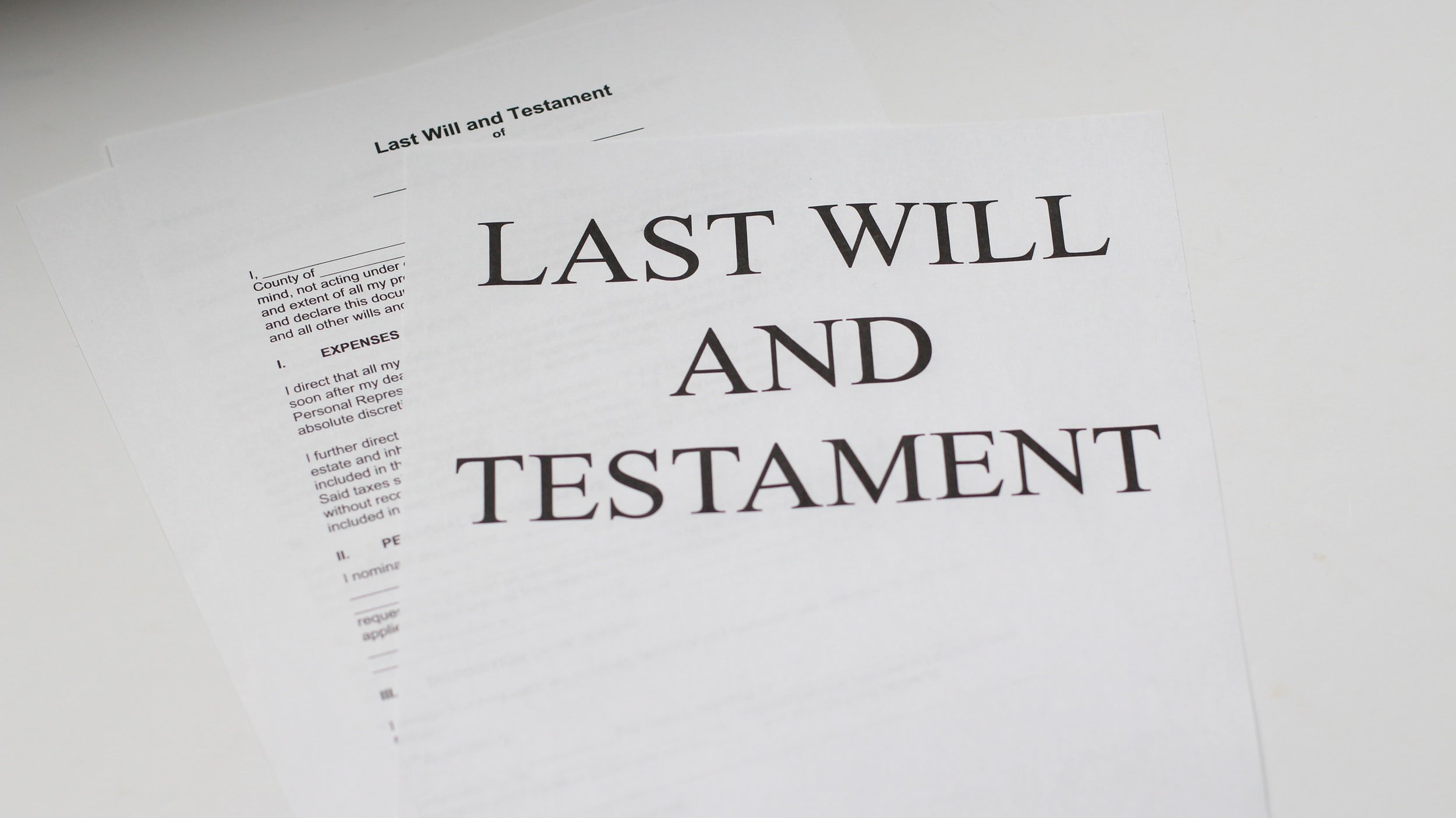
Whether you took TWE in law school or learned Trusts, Wills, and Estates for the bar, you understand these legal documents better than most people. But do you know how they apply to your own financial life as a young lawyer? Anyone over 18 should have at least some estate plan — it's about control over your life, your assets, and your legacy.
An uncomfortable statistic justifies the need for an estate plan: 100% of people pass away. Your estate plan tells people what treatment to give you if you're incapacitated, what to do with your assets when you pass away, and the legacy you hope to leave.
Will
The will describes your final wishes and lists your heirs. Dying without a will (intestate) means the state decides how to distribute everything based on law, not your intentions. Update it after major life events like marriage, the birth of a child, or divorce.
Guardianship
If you have children, you can designate a guardian for them in your will. Pets can also be assigned a guardian, though a binding pet trust is needed to legally require funds be spent on their care.
Living Will
This document states what kind of care you want if you're incapacitated, including do-not-resuscitate provisions, so someone else isn't left guessing on your behalf.
Power of Attorney
Power of attorney designates someone to act on your behalf. Financial Power of Attorney covers paying bills, managing accounts, and signing contracts if you're incapacitated. Healthcare Power of Attorney designates someone to make medical decisions for you.
Beneficiary Designations
Naming a beneficiary on bank, investment, and retirement accounts lets those assets pass directly to your heirs and skip the often costly probate process.
Financial Overview
A detailed document (not legally binding) listing all your accounts, passwords, insurance policies, and other assets — reassuring your heirs that everything is accounted for.
Trusts
Trusts are legally binding agreements useful for lawyers with specific needs, large estates, or complicated tax situations. They require more effort to set up and are worth discussing with both a lawyer and a financial professional.
When to Create and Amend
Start an estate plan early in your career, and review it every five years or sooner after a major life event — marriage, birth, death, retirement, or a large purchase.
Final Takeaways
Estate planning matters even when you're young. A properly prepared estate plan gives you control over your financial life, eases burdens on your heirs, and can even save your estate money.
Have questions of your own?
I’m not taking new ongoing clients right now, but I’m still glad to offer a free 30-minute Meet & Confer — to answer your questions, add you to the waitlist, or point you toward another advisor.