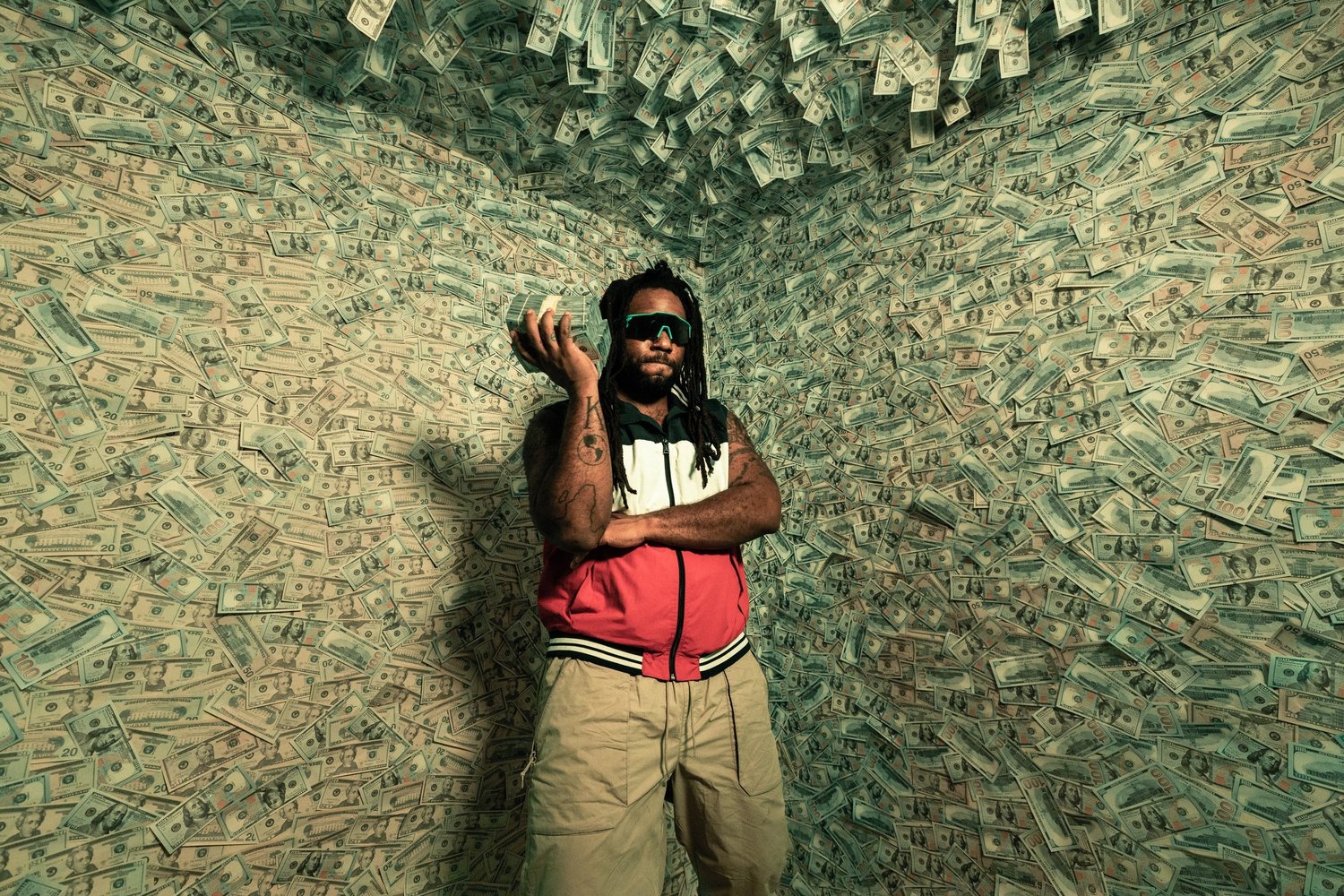
Why do we spend so much of our lives making money? Money is a tool to live a better life, and it represents three things: past effort, current security, and future dreams and ambitions. Seeing money as a tool instead of a goal frees us to use it in ways that bring our lives more value.
Money is freedom. Money is security. Money is the root of all evil. We all have different ideas of what money is — but money is not the ultimate goal in life. When we reflect on our lives, most people won't think about all the money they made. They'll think about time spent with friends and family, the impact they had, and the joy and pain they experienced.
When we die, we can't take the money with us. Viewing money as a tool instead of a goal is a much healthier way to see it.
Money is Past Effort
At birth, we have no money or assets — we are born with time. Over our lives, we exchange that time for money. When I was 14, I caddied at a local country club, carrying a golf bag for 4-5 hours to get paid based on the effort I put in.
As we age, we have less time to exchange but more developed skills, so the value of our time increases. Looking at our accounts, we see the money earned through past effort.
Money is Current Security
Life is uncertain. In the present, money gives us security to handle that uncertainty. Many Americans can't afford a surprise $1,000 expense, and living without that buffer is stressful because one unfortunate event can start a downward spiral.
With an adequate emergency fund, you're more likely to take on new opportunities because you know you're safe regardless of the outcome.
Money is Future Dreams and Ambitions
It costs money to travel across Europe, raise a family, buy a home, and retire comfortably. When money restricts us from doing something, it can lead to despair because we realize we're not living the life we want. When we have money, we can say "yes" to opportunities and pursue our dreams.
We Do Not Want Money, We Want Happiness
Money itself doesn't give us experiences, connections, or impact. How we use our money is how we get our dream life. Instead of seeing money as a number on a bank statement, see it as a tool to bring your life more happiness.
How to Obtain More Money to Live a More Fulfilling Life
There may come a time when we can't work for money — an injury, a medical issue, or age. Investing is the other way to make money: exchanging money to buy ownership of an asset that hopefully produces more money.
Just as we have diverse interests that add to our lives, it's important to diversify investments. What we found enjoyable ten years ago may not interest us today; investing across many different assets lets us benefit from things we value now and things we'll value later.
The Point of Money is to Live a Better Life
Not having enough money makes it harder to live our dream lives, and having plenty opens up opportunities. But money itself won't make your life amazing. First figure out what you want to do with your life — then use money to go live it.
Have questions of your own?
I’m not taking new ongoing clients right now, but I’m still glad to offer a free 30-minute Meet & Confer — to answer your questions, add you to the waitlist, or point you toward another advisor.