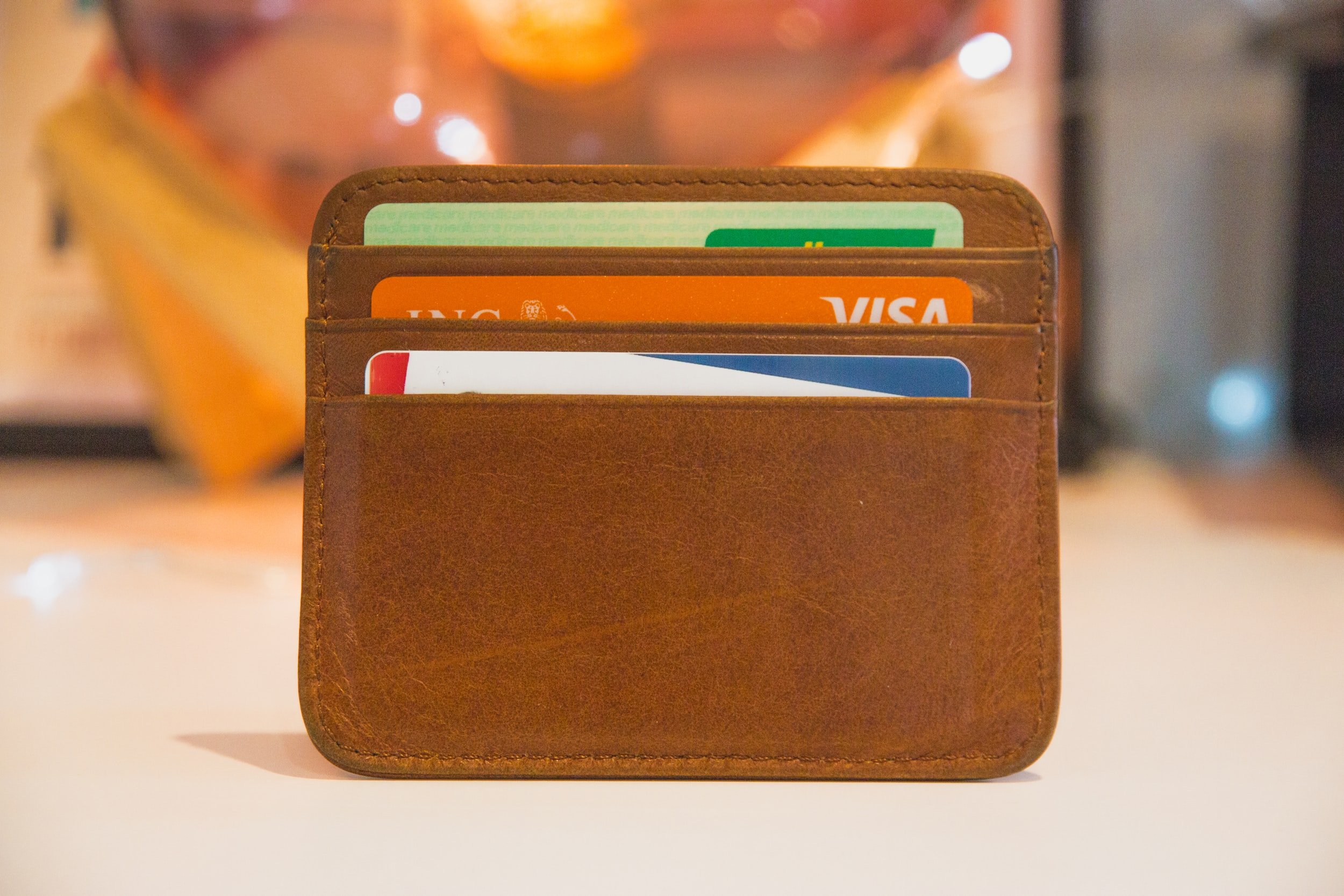
Credit cards are commonplace in our financial lives. Credit cards offer some great benefits like buy now and pay later, ability to dispute incorrect or fraudulent charges, and collecting rewards. But abusing a credit card can leave you paying fees and high interest payments that negate the benefits and eventually may lead to bankruptcy. Young lawyers who follow credit card best practices like spending within their means, paying their debt off on time, and maintaining an emergency fund can almost entirely avoid the pitfalls of credit cards.
Credit cards are the most common form of debt in America. More Americans have credit cards than mortgages, car loans, and student loans. They are a great tool to use in your financial life, but like all tools, they can be misused and harm you.
When young lawyers use credit cards responsibly, they can build up their credit score, better manage their monthly spending, and benefit from rewards. When young lawyers use credit cards irresponsibly, they can destroy their credit score, add to their debt burden, and have expenses that far exceed their income.
While there are downsides to credit cards, young lawyers can almost completely avoid them when they fully understand the best practices and pitfalls of credit cards. This post explains how credit cards work and some strategies young lawyers can use to get the most out of their credit cards.
The Basics of Credit Cards
Credit cards may look exactly like debit cards, but they work differently. When you swipe your credit card, the credit card company pays for your purchase. Instead of paying the seller for your purchase, you have to repay the credit card provider. A debit card pays the seller immediately with cash out of your bank account.
Credit Card Benefits
Since the credit card provider pays on your behalf, you benefit from buying now and paying later. The typical time to repay a credit card purchase is one month. Credit cards help smooth out monthly expenses, and they are also helpful for disputing improper or fraudulent charges. Visa and Mastercard have zero liability policies for fraudulent charges.
Credit cards also offer rewards like cash back or points, and responsible use can boost your credit score by creating a long history of on-time debt payments.
Drawbacks to Credit Cards
The most well-known drawback is the high interest rate for remaining balances, which often exceeds 12%+ and accrues daily. With a high enough balance and enough time, debt owed can spiral out of control and eventually lead to bankruptcy. Some cards also charge annual fees that may exceed the value of the rewards they offer.
Best Practices for Credit Cards
Spend Within Your Means
Most people get into trouble because it is easy to overspend with a credit card since nothing comes out of your bank account immediately. Only use your credit card for purchases within your means.
Pay Off Credit Cards In Full and On Time
Paying your statement balance in full each month avoids interest entirely. Disregard the "minimum payment due" unless you're in a difficult financial situation, and always pay on time since even one missed payment can hurt your credit score.
Your Credit Limit Is Not Your Spending Limit
Your credit utilization (statement balance divided by credit limit) should ideally stay below 30%. The lower your utilization, the better for your credit score.
Rewards Supplement Your Spending
Rewards should be a bonus for spending you'd do anyway, not a reason to spend more.
Have an Emergency Fund
An emergency fund of 3-6 months of expenses protects you from needing to carry a balance during an unexpected event.
Credit Card Strategies
- Choose a card that rewards your current spending habits — pick a card that matches how you already spend, not one that tempts you to spend differently.
- Take advantage of sign-up rewards when the timing is right — especially before a big planned purchase or trip.
- Redeem rewards for specific goals — apply points toward travel or automatic savings deposits to reward good spending behavior.
Final Takeaways
Credit cards can be your best friend or your worst enemy. Young lawyers who spend within their means, make on-time payments, always pay off their balance, and view rewards as a bonus rather than a spending incentive will see the most benefit from responsible credit card usage.
Have questions of your own?
I’m not taking new ongoing clients right now, but I’m still glad to offer a free 30-minute Meet & Confer — to answer your questions, add you to the waitlist, or point you toward another advisor.